
English
Views: 0 Author: Site Editor Publish Time: 2026-06-27 Origin: Site


The global chemical industry faces a massive regulatory shift. Tightening environmental regulations and consumer demands reshape formulation standards as we approach 2026. Supply chain volatility only adds to this immediate pressure. Finding an effective Emulsifier NP substitute is rarely a simple drop-in process. You must carefully balance Hydrophilic-Lipophilic Balance (HLB) values, formula stability, and overall material compatibility. Ignoring these technical nuances often leads to phase separation and costly production delays. This article provides an evidence-based breakdown of viable alternatives available today. We will explore key evaluation criteria and highlight specific formulation risks. Procurement managers and lead chemists will learn exactly how to navigate this mandatory transition. You will discover actionable steps to secure compliance, optimize product performance, and future-proof your product lines.
Regulatory agencies worldwide are accelerating the phase-out of legacy chemical surfactants. REACH mandates in Europe explicitly restrict nonylphenol ethoxylates. These chemicals degrade into nonylphenol in wastewater systems. Nonylphenol acts as a potent endocrine disruptor and demonstrates severe aquatic toxicity. Other global regions are adopting similar environmental frameworks rapidly. Formulation chemists must anticipate these rigid clean-label bans before they paralyze production lines.
Market pressures multiply these regulatory challenges. Relying on legacy synthetic emulsifiers carries heavy commercial risk today. Retailers increasingly enforce strict chemical blacklists for all shelf-stable goods. Failing to comply results in immediate product rejections. Brand reputation damage happens swiftly when consumers identify environmentally harmful ingredients. Transparency dictates consumer purchasing habits across cosmetic, agricultural, and household product sectors.
Cost and availability trends further complicate the landscape. Manufacturing support for legacy formulations continues to dwindle. Chemical producers are reallocating reactor space to modern, biodegradable surfactants. This artificial scarcity inflates supply chain costs for outdated ingredients. Early substitution serves as a crucial margin-protection strategy. Securing a reliable alternative today shields your operations from unexpected shortages and inevitable price spikes.
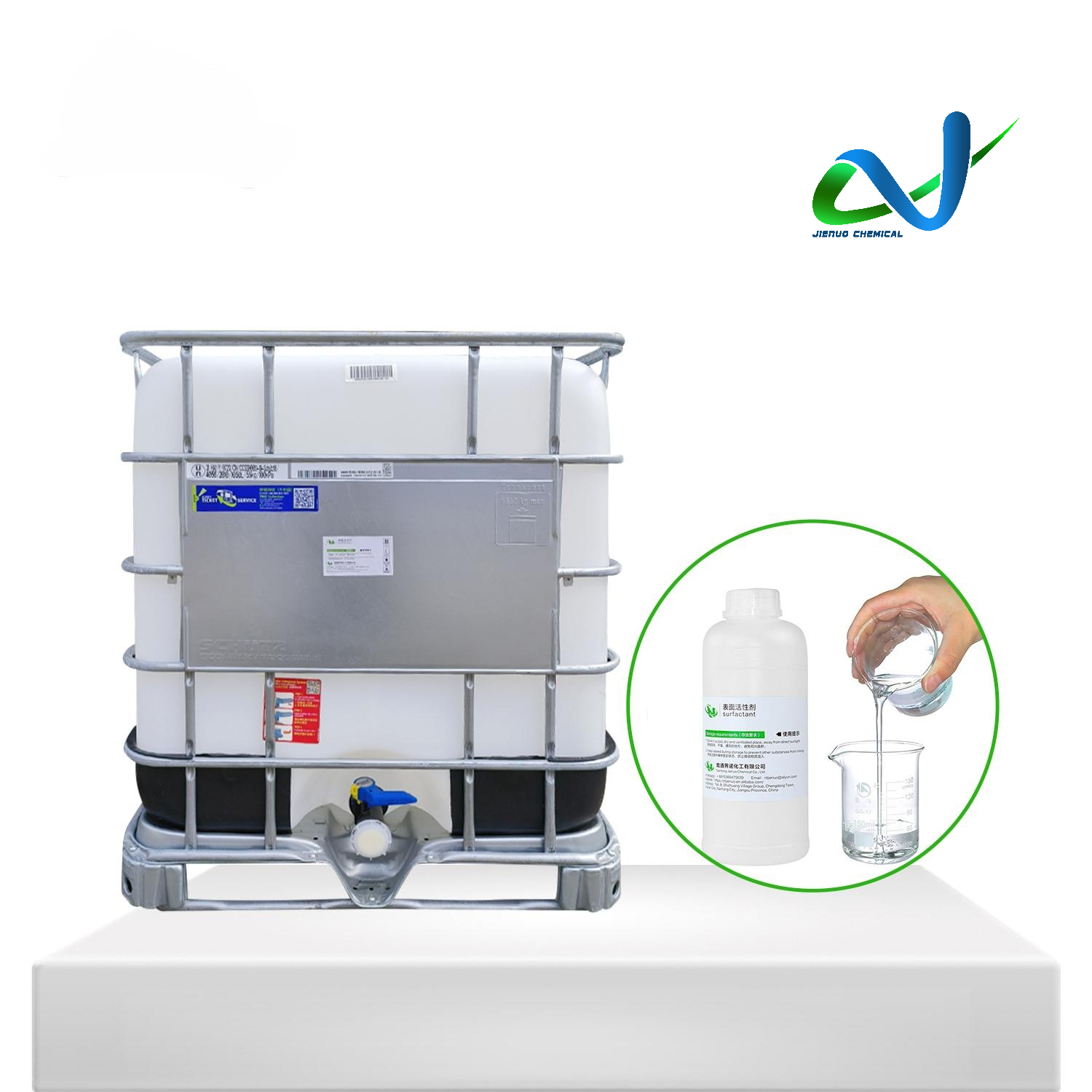
Alcohol Ethoxylates (AEs) dominate the synthetic substitution landscape. They share significant structural similarities to legacy nonylphenol compounds. Manufacturers synthesize them by reacting fatty alcohols with ethylene oxide. This structure allows them to biodegrade rapidly in natural environments. AEs avoid producing toxic phenolic metabolites during breakdown.
These synthetic alternatives offer distinct advantages. They provide the closest 1:1 HLB match available on the market. Industrial formulators rely on them for heavy-duty degreasers, agricultural adjuvants, and textile processing. They deliver excellent detergency and maintain highly cost-effective production profiles. However, drawbacks remain. AEs remain entirely synthetic molecules. They often fail to meet strict clean-label certifications demanded by eco-conscious consumer brands.
Alkyl Polyglucosides (APGs) represent a major leap forward in sustainable chemistry. Manufacturers synthesize them using renewable fatty alcohols derived from palm or coconut. They bond these alcohols to glucose extracted from corn or potato starch. This entirely plant-based origin creates a highly desirable ingredient profile.
APGs boast an exceptional eco-toxicity profile. They degrade quickly and pose zero threat to aquatic ecosystems. Formulators prize them for their high stability in extreme pH environments. They deliver powerful wetting properties across various industrial applications. Unfortunately, APGs introduce unique formulation challenges. They frequently cause unwanted viscosity shifts in liquid products. Their baseline material costs run higher compared to legacy synthetic options.
Biosurfactants and natural lecithin blends offer another clean-label pathway. Fermentation processes yield powerful biosurfactants like rhamnolipids. Soybean or sunflower extraction provides robust lecithin blends. These options provide unmatched clean-label appeal. They prove highly tolerable in sensitive cosmetic and food-grade formulations. Yet, supply chain consistency remains a hurdle. Commercial scale production still lags behind synthetic counterparts. They also show high sensitivity to temperature fluctuations and shear forces during aggressive manufacturing cycles.
Identifying the right Emulsifier NP substitute demands a rigorous, evidence-based approach. HLB value matching acts as your non-negotiable first step. The Hydrophilic-Lipophilic Balance determines how well a surfactant binds oil and water. Legacy ingredients typically offer mid-range HLB values perfectly tuned for specific emulsions. Finding a single substitute matching this exact value rarely happens. Formulators must frequently blend high-HLB and low-HLB surfactants to replicate the original performance.
Performance under stress separates viable candidates from costly failures. You must evaluate the substitute against extreme physical and chemical conditions. Freeze-thaw cycles reveal long-term structural integrity. High-shear mixing exposes mechanical instabilities during production. Extreme pH ranges test the chemical resilience of the new surfactant matrix.
| Evaluation Metric | Primary Focus | Testing Methodology |
|---|---|---|
| HLB Matching | Phase stability and droplet size | Bench-top titration and visual phase observation |
| Stress Resilience | Mechanical and thermal stability | Accelerated aging, high-shear homogenization |
| Cost-in-Use | Financial viability per formulation | Active concentration optimization calculation |
| Regulatory Compliance | Global market access and safety | SDS review, aquatic toxicity screening |
Financial evaluations require a shift in perspective. You must calculate cost-in-use rather than simple price per kilo. A natural substitute might carry a premium raw material price. However, its chemical efficiency might allow for a significantly lower active concentration in the final recipe. This efficiency neutralizes the upfront cost discrepancy. Always measure the financial impact based on the complete formulated batch.
Regulatory profiling ensures long-term viability. Validate all Safety Data Sheets (SDS) rigorously. Request comprehensive eco-toxicity reports from prospective vendors. Verify that the chosen alternative strictly complies with upcoming 2026 mandates. Overlooking this step invites future reformulation cycles.
Swapping emulsifiers inevitably disrupts established product characteristics. Viscosity and rheology shifts occur almost universally. Legacy nonylphenol compounds often provided secondary thickening benefits. Removing them typically results in a thinner, less appealing fluid dynamic. You must prepare to introduce secondary rheology modifiers. Xanthan gum, cellulose derivatives, or carbomers can help restore the original flow profile.
Phase separation remains the most critical implementation risk. Emulsion breakdown ruins product efficacy and destroys consumer trust. Micro-coalescence happens slowly, making it difficult to detect immediately. Accelerated shelf-life testing becomes absolutely essential. You must subject new formulations to elevated temperature incubations. These thermal stress tests reveal long-term instability within weeks rather than months.
Sensory and aesthetic changes impact consumer-facing products heavily. Modifying your surfactant package alters the foaming profile predictably. Natural alternatives often produce less lather than synthetic predecessors. Odor profiles also shift when moving away from deodorized synthetics. APG-based substitutes sometimes introduce unwanted tackiness on the skin. Formulators must adjust fragrances and tactile enhancers to mask these sensory deviations.
Manufacturing scale-up introduces entirely new friction points. Bench-top success rarely translates perfectly to pilot-plant reality. High-speed tank mixing behaves differently than small-scale beaker homogenization. Natural substitutes frequently generate excessive foam during aggressive tank agitation. This foaming forces production slowdowns and requires anti-foaming agents. Heating jackets in large vessels also expose thermal sensitivities hidden during lab trials.
Taking immediate, structured action prevents chaotic supply chain disruptions later. Begin by mapping your current chemical dependencies thoroughly. You need complete visibility before making substitution decisions.
Thorough documentation during these steps ensures repeatable success. Log every minor viscosity change. Record all temperature variations during pilot runs. This data acts as a crucial troubleshooting resource when pushing the product into full-scale manufacturing.
Waiting until 2026 to secure an Emulsifier NP substitute represents a high-risk operational strategy. Regulatory deadlines are rigid, and supply chain constraints will only tighten. The optimal replacement choice depends entirely on your specific end application. Alcohol Ethoxylates provide unparalleled, cost-conscious performance for heavy industrial formulations. Conversely, APGs and advanced biosurfactants offer the necessary compliance for premium clean-label products.
The transition requires precise HLB matching, rigorous stress testing, and careful adjustment of secondary ingredients. Action is required now. Encourage your formulation teams to begin bench testing multiple alternative blends immediately. Validate your new formulas quickly to secure favorable supply chain contracts well ahead of the inevitable market demand surge.
A: No. While Alcohol Ethoxylates come close, varying carbon chain lengths mean formulators will likely need to adjust co-solvents or usage rates to replicate exact NP performance. You must test blends to achieve the original stability profile.
A: Natural alternatives typically carry a higher upfront material cost and may require specialized handling. However, they eliminate regulatory risk entirely. They also command premium pricing in clean-label consumer markets, offsetting the initial raw material expenses.
A: It can. Without proper HLB matching and accelerated stability testing, new emulsifiers can lead to premature phase separation or microbial vulnerabilities. You must conduct rigorous thermal stress tests to guarantee long-term shelf stability.
A: Depending on the industry and required regulatory approvals, the cycle of sourcing, bench testing, stability validation, and full production scale-up typically takes 6 to 18 months. Early planning prevents costly manufacturing disruptions.


