
English
Views: 0 Author: Site Editor Publish Time: 2026-07-05 Origin: Site


Tightening regulatory landscapes and intense consumer scrutiny rapidly drive formulators away from traditional ethoxylated ingredients. Today, the industry demands a shift toward 100% bio-based alternatives to ensure future market compliance. However, this transition introduces a significant technical challenge. Formulators must replace proven synthetic emulsifiers without compromising emulsion stability, sensory profiles, or long-term shelf life in their 2026 formulations. Achieving this careful balance requires precise chemistry and rigorous laboratory testing.
This article serves as a practical technical evaluation guide for your R&D and procurement teams. We will explore how to shortlist, test, and successfully validate plant-based alternatives. You will discover the primary solution categories dominating the market. We will outline essential performance trade-offs you must anticipate during early development. Finally, you will learn the exact metrics needed to secure formulation success and protect your brand reputation.
The industry faces an aggressive phase-out of 1,4-dioxane risks. This harmful byproduct links directly to traditional ethoxylation processes used for decades. Regulatory bodies now heavily restrict its presence in finished goods globally. Brands must reformulate their core product lines to survive. They can no longer rely on legacy synthetic systems. You need a robust plant-based nonionic emulsifier to replace PEG derivatives effectively. Transitioning early protects your market share. It also aligns your brand with clean label mandates.
Moving beyond vague marketing requires adopting verifiable standards. Formulators require concrete metrics to define natural materials in 2026. The ISO 16128 standard provides a clear natural origin index calculation. COSMOS and Ecocert certifications offer stringent third-party validation for raw materials. Sourcing practices also matter deeply to modern consumers. You should demand RSPO-certified sustainable palm or strict palm-free feedstocks. This ensures complete supply chain transparency from farm to final formulation.
Meeting baseline success metrics dictates commercial viability. Long-term thermodynamic stability remains the absolute top priority. Emulsions must resist phase separation under harsh freeze-thaw cycles. Next, consider batch-to-batch consistency carefully. Plant-based feedstocks inherently fluctuate based on environmental harvesting factors. You must secure consistent viscosity and color profiles across large production runs. Finally, cost-in-use parity is essential for scale. Acceptable premiums are possible for natural claims. However, they must align closely with your commercial profit targets.
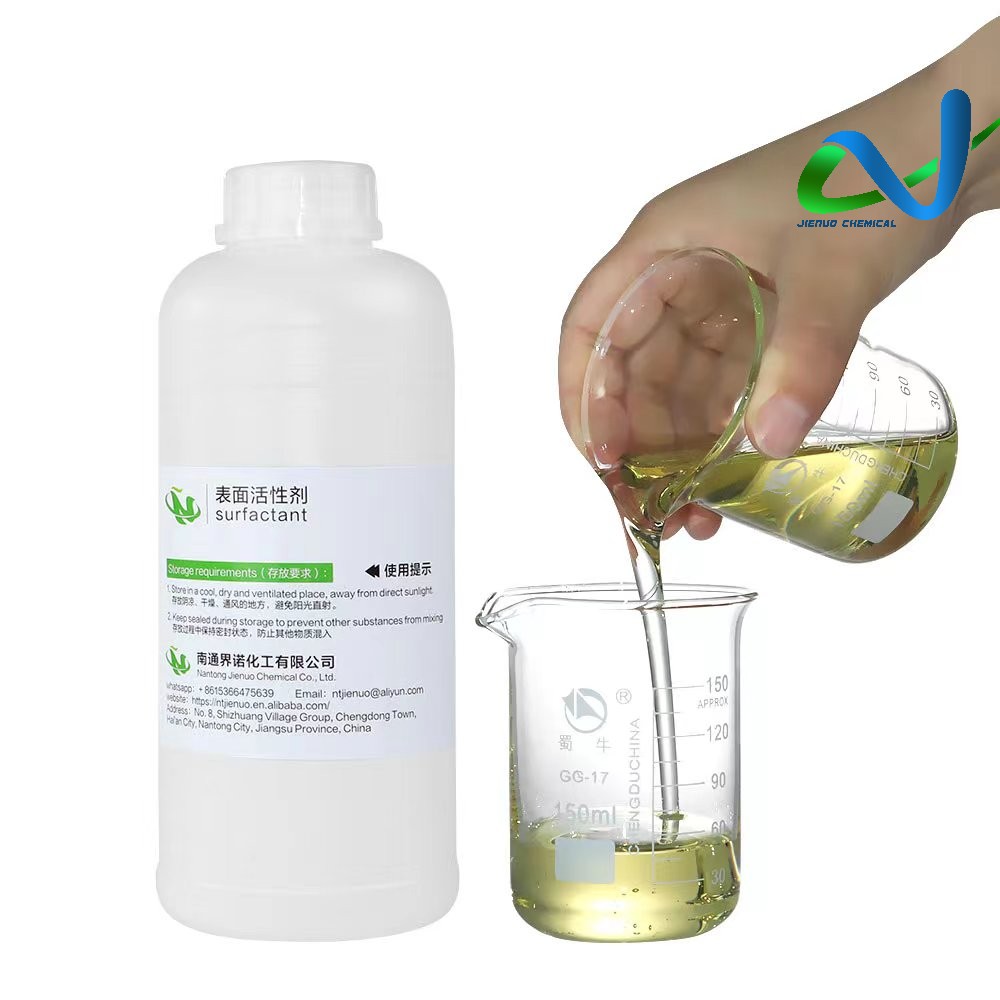
Polyglyceryl Esters (PGEs) represent a dominant force in modern formulation chemistry. Manufacturers create them through the controlled esterification of polyglycerin. They utilize plant-derived fatty acids for this specific process. PGEs offer highly versatile HLB ranges for diverse applications. They deliver an excellent skin feel without residual tackiness. You can build robust, PEG-free O/W or W/O emulsions seamlessly. Higher polyglycerin chains yield highly water-soluble variants. Shorter chains produce excellent lipophilic emulsifiers for rich creams.
Alkyl Polyglucosides (APGs) provide exceptional performance in demanding environments. Producers synthesize them from fatty alcohols and simple sugars like glucose. They derive these natural sugars from corn, coconut, or sustainable palm. APGs deliver extreme mildness for sensitive skin applications. They generate high foaming characteristics in wash-off formulations. Furthermore, they maintain strong stability across an unusually wide pH range. This makes them ideal for both acidic exfoliating serums and alkaline cleansers.
Sorbitan esters and sugar-based blends offer targeted functionality for complex systems. Manufacturers produce them via the dehydration of sorbitol. They then react this resulting material with specific fatty acids. These blends excel in low HLB requirements naturally. They stabilize W/O emulsions highly effectively. Alternatively, you can pair them with high HLB co-emulsifiers. This synergistic combination creates highly robust O/W systems.
| Emulsifier Category | Synthesis Mechanism | Primary Strengths | Ideal Applications |
|---|---|---|---|
| Polyglyceryl Esters (PGEs) | Esterification of polyglycerin with plant fatty acids | Broad HLB versatility, excellent sensory profile | O/W and W/O skin creams, sheer lotions |
| Alkyl Polyglucosides (APGs) | Reaction of fatty alcohols with glucose | Extreme mildness, wide pH tolerance, high foam | Facial cleansers, acidic serums, baby care |
| Sorbitan Esters | Dehydration of sorbitol reacted with fatty acids | Low HLB stabilization, powerful co-emulsifying | Rich W/O balms, synergistic O/W blends |
Precise HLB (Hydrophilic-Lipophilic Balance) matching dictates core emulsion stability. You must calculate the required HLB of your entire oil phase accurately. Once calculated, match it carefully with the correct natural nonionic blend. Unlike forgiving synthetic counterparts, natural options demand strict mathematical precision. A slight HLB mismatch easily destabilizes the entire micellar system. You should conduct empirical sweeping tests to verify these calculations. Formulate multiple samples varying the emulsifier ratios slightly to find the optimal sweet spot.
Electrolyte and active ingredient tolerance require rigorous laboratory assessment. Plant-based options often behave unpredictably under chemical stress. You must evaluate how they endure high salt concentrations over time. Challenging actives like Vitamin C or AHAs frequently disrupt natural liquid crystal structures. Always run dedicated stability tests when incorporating potent botanical extracts or challenging salts.
Sensory and textural outcomes directly impact ultimate consumer acceptance. You should map the molecular structure directly to the resulting skin feel. Some natural emulsifiers create an undesirable "soaping" effect during skin application. This micro-foaming leaves a temporary white residue. Proper lipid selection minimizes this visual rub-out. Optimize your natural emollient ratios to ensure elegant, fast-absorbing textures.
Security and compliance protocols protect your long-term brand reputation. You must verify all vendor documentation thoroughly before approval. Demand verifiable proof of non-GMO status for all raw materials. Check pesticide residue limits against stringent global standards. Supply chain traceability is completely non-negotiable in 2026. Complete transparency shields your brand from regulatory penalties and consumer backlash.
Evaluation Best Practices:The viscosity drop-off presents a major hurdle for transitioning formulators. Direct one-to-one drop-in replacements for synthetics rarely succeed in practice. Plant-based nonionic emulsifiers behave differently in aqueous solutions. You will likely experience significantly thinner final products initially. To counter this, you must adjust your water phase thickeners proactively. Incorporate xanthan gum, sclerotium gum, or other natural polymers strategically. These specific additions restore the necessary structural body and yield value.
Temperature sensitivity during processing demands strict operational control. Natural materials often feature much narrower processing windows than PEGs. You must monitor melting points and phase inversion temperatures meticulously. Deviating even slightly during pilot batching causes irreversible phase separation. Establish precise heating and cooling curves for every new formula. Train your compounding teams to respect these tight thermal parameters strictly.
Odor and color variations naturally occur in plant-derived feedstocks constantly. You must actively manage these inherent inconsistencies to maintain quality. Unrefined natural oils carry distinct aromas and darker hues. These traits can shift dramatically from harvest to harvest. Establish strict, acceptable QA/QC limits directly with your suppliers. Clear boundaries prevent unworkable batches from reaching your manufacturing floor.
Common Formulation Mistakes:Step 1: Regulatory filtering. Begin by eliminating non-compliant options immediately from your roster. They must meet your target market's strict 2026 standards explicitly. California regulations and updated EU cosmetic directives set very high baselines. If a material fails early compliance checks, discard it permanently. Do not waste valuable R&D hours on unviable raw materials.
Step 2: Technical sampling. Request comprehensive technical documentation from the manufacturer. You need precise formulation guidelines to start your bench work. Ask for exact, verified HLB values and polarity requirements. Demand comprehensive, long-term stability data sheets for reference. These documents reveal the material's true physical capabilities. They expose potential weaknesses before you formulate your first experimental beaker.
Step 3: Pilot testing. Conduct accelerated stability testing rigorously in controlled chambers. Run samples at 45°C for a full 12 weeks continuously. Observe the system for creeping phase separation or micro-viscosity shifts. You must validate the formula's integrity completely under stress. Do this before committing to large minimum order quantities (MOQs). Proper pilot testing prevents massively costly commercial-scale failures.
Next step action: Consult directly with a verified chemical distributor or primary manufacturer. Provide them with your specific oil phase requirements and target viscosities. Request targeted samples of PGE or APG-based emulsifiers. Tailored sampling accelerates your product development timeline significantly. It ensures you evaluate the most chemically appropriate solutions for your project.
Transitioning to natural and plant-based nonionic emulsifiers requires shifting from simple drop-in solutions to systemic formulation adjustments. You must fully understand the nuanced chemistry driving these modern systems. It requires a holistic approach to lipid polarity, rheology matching, and thermal processing. Formulators must abandon legacy expectations to build truly robust bio-based systems.
While PGEs and APGs offer robust, compliant alternatives, success depends on rigorous pilot testing, precise HLB matching, and managing processing parameters. Your teams cannot simply rely on old synthetic compounding habits. They must adapt to the specific physical behaviors of natural esters and glucosides. Rigorous protocol adjustments separate successful product launches from unstable formulation failures.
Encourage R&D teams to audit their current synthetic emulsifiers, calculate their oil phase requirements, and request targeted natural samples from verified suppliers. By taking proactive steps today, you ensure your formulations remain resilient, compliant, and highly competitive in the 2026 landscape. Begin your stability testing protocols immediately to stay ahead of regulatory deadlines.
A: Yes, but they typically require a tailored combination of a primary emulsifier, a co-emulsifier, and a rheology modifier to achieve the exact stability profile of a single PEG-based ingredient.
A: Use the standard weighted average formula based on the mass fraction of each emulsifier, though empirical testing (creating a series of test emulsions) is highly recommended for plant-based variables.
A: Alkyl Polyglucosides (APGs) generally offer the highest chemical stability at both very low and very high pH levels compared to ester-based options, which are susceptible to hydrolysis.
A: Legally, no. However, if you are making "100% natural" or "clean label" claims, utilizing COSMOS-approved or ISO 16128 compliant emulsifiers protects your brand from greenwashing liabilities.


