
English
Views: 0 Author: Site Editor Publish Time: 2026-06-25 Origin: Site


Nonionic surfactants drive performance across thousands of complex industrial formulations today. However, a growing tension exists between the proven efficacy of the octylphenol ethoxy compound family and tightening global environmental regulations. Formulators face a critical balancing act.
These chemical agents function as highly reliable emulsifiers, wetting agents, and dispersants. They are often recognized under legacy trade names like Triton™ X-100. They expertly lower surface tension. This ensures active ingredients mix thoroughly. It also helps liquids spread evenly across various solid surfaces.
This guide exists to equip procurement teams, formulation chemists, and compliance officers to navigate this evolving landscape. We provide the technical data, regulatory insights, and viable substitution strategies you need. You will learn how to make informed sourcing decisions regarding the octylphenol ethoxy compound. This knowledge helps you maintain product efficacy and stay ahead of shifting compliance mandates worldwide.
Formulators face a consistent challenge. They need robust nonionic surfactants. Formulations must remain stable across diverse pH ranges. They must also handle varying temperature extremes. Without reliable emulsifiers, mixtures separate quickly. Active ingredients fail to spread properly.
Historically, chemists solved this by utilizing an octylphenol ethoxy compound. It provides exceptional predictability. It remains chemically stable under harsh manufacturing conditions. This predictability makes it highly valuable in commercial applications.
Core commercial uses span multiple distinct industries:
Why do formulators default to these specific chemicals? Predictability matters immensely in scaled production. Formulations behave exactly as expected every single time. They are highly reliable to deploy. Furthermore, their inherent chemical stability extends product shelf life significantly. They resist hydrolysis in strongly acidic or alkaline environments.
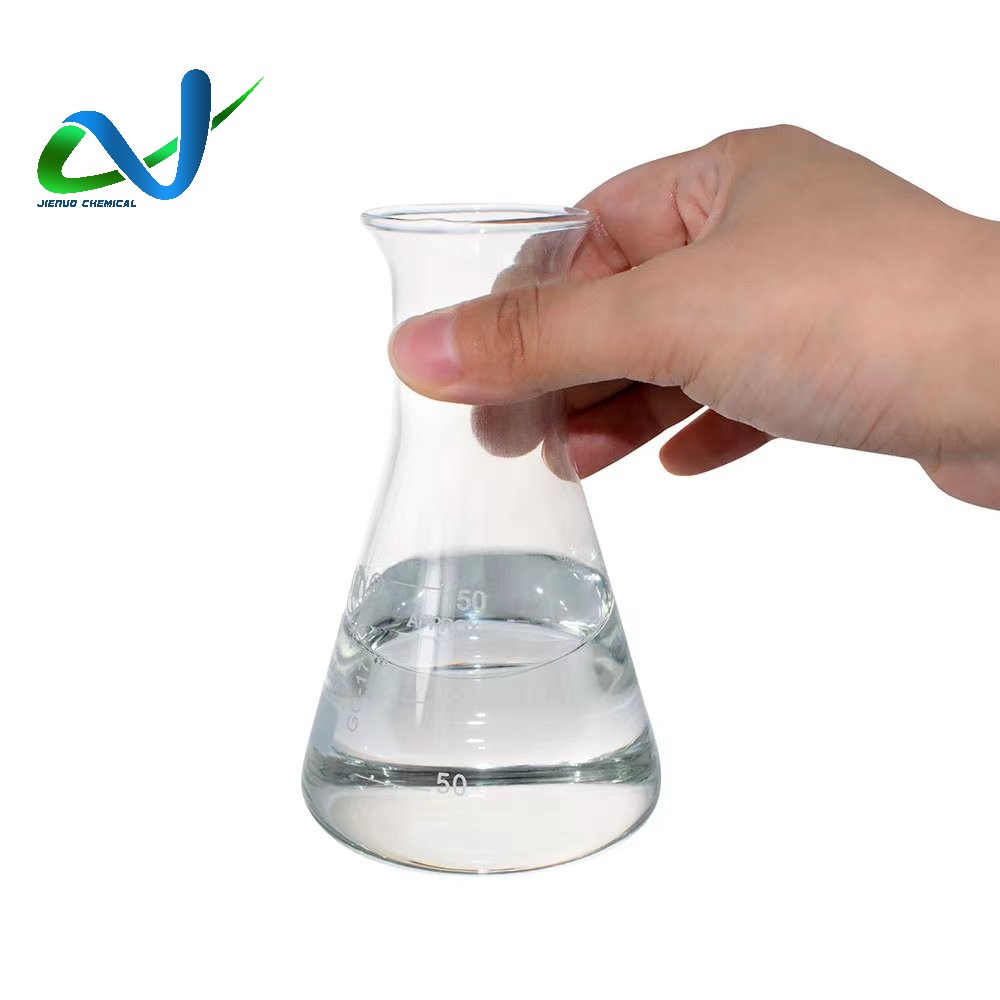
You must specify the correct ethoxylation level during formulation. This dictates the surfactant's physical behavior. We categorize the compound by its moles of ethylene oxide (EO). The EO count directly alters its water solubility and performance characteristics.
Low EO Moles (e.g., 1-4 EO): These variants are primarily oil-soluble. You should evaluate them for specific mechanical tasks. They excel at defoaming operations in industrial vats. They also create excellent water-in-oil (W/O) emulsions. We use them frequently in agricultural oil dispersions.
Mid-Range EO Moles (e.g., 5-10 EO): These represent the standard wetting agents. They function as robust all-purpose detergents. They offer an optimal HLB value. You will use them for general industrial cleaning formulas. They easily form stable oil-in-water (O/W) emulsions.
High EO Moles (e.g., 11-40+ EO): These grades are highly water-soluble. You evaluate them for high-temperature applications. They stabilize synthetic latex effectively. They also act as specialized dispersants in complex chemical mixtures. They maintain stability even when encountering elevated electrolyte concentrations.
We can match HLB values to specific formulation outcomes. A structured approach ensures proper material selection. Consider the decision matrix below to guide your specification process.
| EO Moles | HLB Range | Solubility Profile | Primary Commercial Application |
|---|---|---|---|
| 1 - 4 | 3.5 - 9.0 | Oil-soluble (Lipophilic) | Defoamers, W/O Emulsifiers, Lubricants |
| 5 - 10 | 10.0 - 14.0 | Water-dispersible | Wetting Agents, Degreasers, O/W Emulsions |
| 11 - 40+ | 14.5 - 19.0 | Highly Water-soluble | Latex Stabilizers, High-Temp Dispersants |
Modern procurement faces significant implementation risks. You must prioritize supply chain viability above mere technical performance. Legal compliance is now the primary driving factor. You cannot ignore shifting global environmental policies.
The environmental impact profile is heavily scrutinized today. We see transparent breakdowns of toxicity in aquatic environments. These chemicals exhibit concerning bioaccumulation rates in marine life. Crucially, they degrade into octylphenol in natural water systems. Authorities widely recognize this specific byproduct as a potent endocrine disruptor. It severely alters the reproductive systems of fish and amphibians.
Global compliance realities reflect these environmental concerns directly:
How do you mitigate these regulatory risks? Procurement teams must act proactively. You must audit your current usage volumes accurately. Map your formulations against upcoming global sunset dates. Monitor regional restriction thresholds closely. You must ensure your production lines do not face sudden legal stoppages.
Finding a direct one-to-one replacement is remarkably rare. You cannot simply drop in a new chemical. Transitioning requires highly systematic evaluation. You must maintain your end-product efficacy. A failed substitution ruins product quality and damages brand reputation.
We typically explore several distinct alternative categories. Linear and branched alcohol ethoxylates offer excellent wetting properties. They also biodegrade much faster. Alkyl polyglucosides (APGs) provide strong stability in highly alkaline formulations. Specialty bio-based surfactants also present viable, fully compliant options. They offer unique performance profiles derived from renewable resources.
You must execute rigorous features-to-outcomes testing. When shortlisting alternatives, strictly evaluate these four dimensions:
Implementation requires careful foresight and planning. Anticipate notable reformulation costs upfront. Requalification timelines often stretch for several months. You must validate the new formulation through extensive stability testing. You must also prepare for potential shifts in raw material availability.
Certain global regions still permit these chemical compounds. Some specific laboratory applications also maintain formal regulatory exemptions. For these specific scenarios, a clear procurement logic remains necessary. You can still responsibly source an octylphenol ethoxy compound when fully compliant.
Supplier vetting is absolutely essential. Demand total transparency regarding chemical purity levels. You must verify strict limits on unreacted ethylene oxide. This directly mitigates dangerous 1,4-dioxane contamination risks. 1,4-dioxane is heavily regulated as a probable human carcinogen. Batch-to-batch consistency guarantees your manufacturing stability.
Storage and handling demand rigorous internal safety protocols. You must adhere to Safety Data Sheet (SDS) guidelines strictly. High-viscosity grades require precise, consistent temperature control during winter months. You must implement robust secondary spill containment systems. This prevents accidental aquatic contamination entirely during facility transfers.
What are the immediate next-step actions? Establish a reliable dual-sourcing strategy. Maintain your current validated supply for immediate production needs. Simultaneously, you should actively fund internal R&D. Dedicate resources to discovering and qualifying fully compliant alternatives before mandates force your hand.
The summary verdict is abundantly clear. Octylphenol ethoxylates remain highly effective technical solutions. They solve complex formulation challenges consistently. However, their long-term commercial viability faces strict limitations. Mounting environmental regulations will inevitably force industry-wide changes.
We recommend immediate proactive measures. Organizations must thoroughly inventory their current reliance on these chemicals. You should prioritize reformulation efforts immediately. Target high-volume applications first. Address consumer-facing products as a primary priority. Finally, rigorously vet alternative surfactants. Base your formulation decisions on strict performance metrics and uncompromised regulatory compliance.
A: Both belong to the alkylphenol ethoxylate family. They differ slightly in their carbon chain structures. The octylphenol variant has an eight-carbon alkyl chain. NPEs possess a nine-carbon chain. This structural difference affects their exact Hydrophilic-Lipophilic Balance (HLB). However, regulatory bodies restrict both heavily due to similar environmental persistence and endocrine-disrupting degradation products.
A: Yes. Triton X-100 is a widely recognized registered trademark. It represents a specific grade of octylphenol ethoxylate. It typically contains an average of 9.5 moles of ethylene oxide. Researchers and formulators use it extensively in life sciences for cell lysis. It also serves as a robust industrial wetting agent.
A: Regulatory agencies restrict them primarily due to environmental hazards. When released into wastewater, they degrade into octylphenol. This degradation byproduct is highly toxic to aquatic life. Furthermore, authorities classify octylphenol as a known endocrine disruptor. It severely impacts the reproductive systems of marine organisms, prompting strict REACH Annex XIV authorization requirements.
A: Direct drop-in replacements rarely exist. You must evaluate alternative surfactants systematically. Consider the critical micelle concentration (CMC) and cloud point. Test the foaming profile and surface tension reduction capabilities. Additionally, assess the long-term regulatory compliance of the alternative. Finally, verify long-term storage stability for your newly modified product.
A: Blanket exemptions do not exist globally. However, specific highly regulated sectors sometimes secure temporary authorizations. In the EU under REACH, certain specialized in-vitro diagnostic (IVD) applications received temporary extensions. These exemptions require companies to prove that no viable alternatives currently exist. Furthermore, they must demonstrate strict containment to prevent environmental release.


