
English
Views: 0 Author: Site Editor Publish Time: 2026-06-29 Origin: Site


The global phase-out of Nonylphenol (NP) and Nonylphenol Ethoxylates (NPEs) is accelerating rapidly. Stringent environmental regulations like EU REACH and EPA directives classify these legacy chemicals as aquatic toxins. Formulators face immense pressure to seek compliant alternatives immediately. You cannot ignore this industry shift.
Replacing an NP emulsifier is rarely a simple one-to-one swap. Finding the right Emulsifier NP substitute requires balancing complex regulatory compliance mandates. You must carefully align technical performance factors such as HLB values, cloud points, and wetting times.
This guide breaks down the fundamental chemical properties and primary categories of these modern replacements. We will explore key risk-mitigation strategies to evaluate formulation viability. You will learn exactly how to integrate these alternatives into your existing product lines effectively.
Chemical regulatory bodies worldwide actively restrict the industrial application of NPEs. Under the European Union’s REACH regulation (Annex XVII), authorities strictly limit NPE usage due to severe environmental concerns. The US Environmental Protection Agency (EPA) also issues Significant New Use Rules (SNURs) targeting these compounds. Regulatory frameworks classify NPEs as potent endocrine disruptors. They break down into nonylphenol, which accumulates in waterways and harms aquatic life. You must reformulate products to maintain global market access.
Supply chain volatility presents another critical driver for this transition. Major chemical manufacturers continue halting the production of legacy NP emulsifiers. This intentional phase-out causes unpredictable supply bottlenecks. Relying on outdated surfactants introduces massive risks to continuous manufacturing operations. Transitioning to a widely available alternative ensures long-term operational stability. It protects your production schedules from sudden raw material shortages.
Corporate sustainability initiatives heavily influence ingredient selection today. Commercial buyers and downstream consumers demand safer, biodegradable products. Environmental, Social, and Governance (ESG) mandates push companies to eliminate toxic components entirely. Adopting a compliant replacement directly supports these broad sustainability goals. It allows brands to market their formulations as eco-friendly and non-toxic. Proactive adaptation builds trust and protects your brand reputation in an increasingly eco-conscious market.
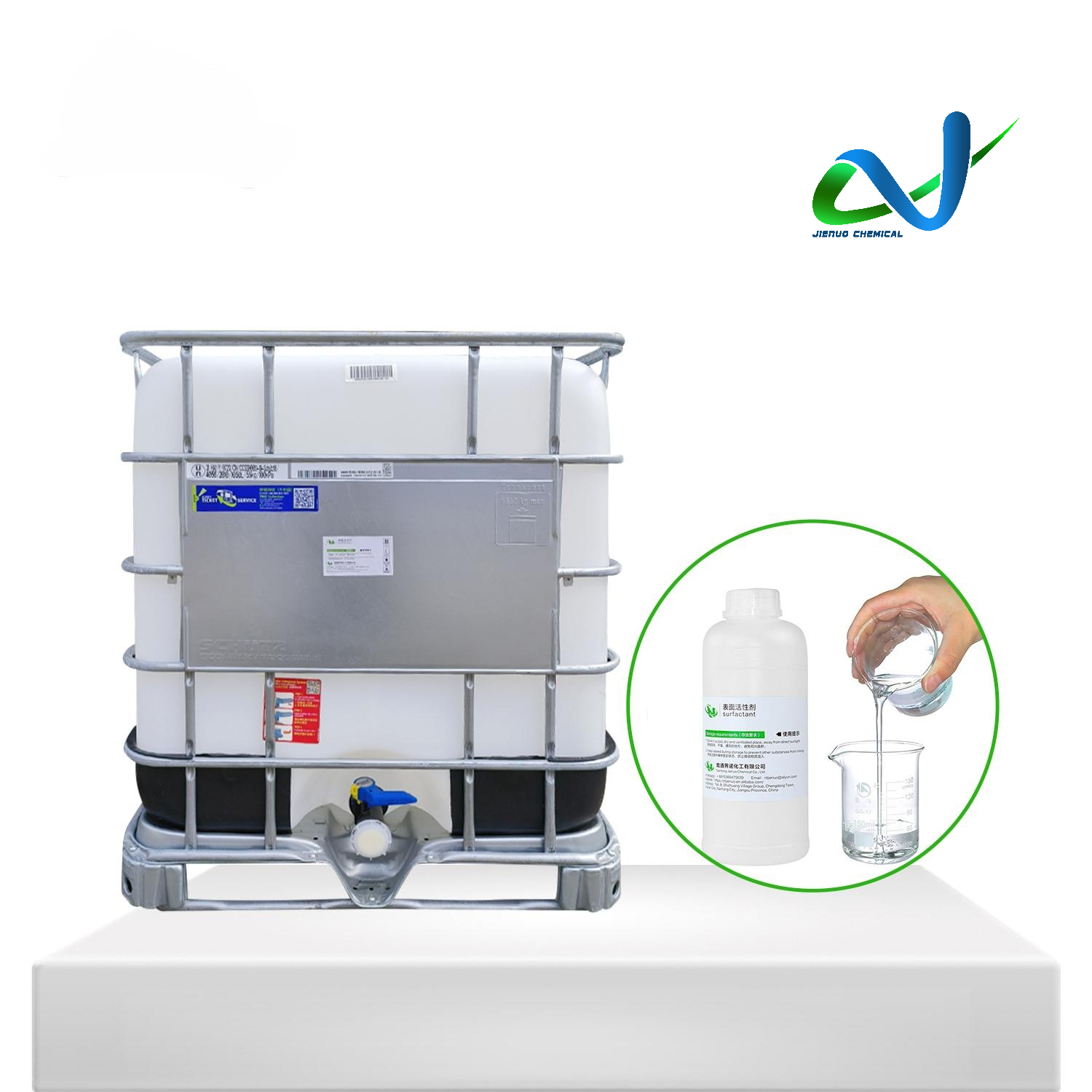
Formulators rely on several key chemical classes to replace legacy NPEs. Each category offers distinct properties suited for specific industrial applications.
Alcohol Ethoxylates serve as the most common commercial replacements for NPEs. They offer excellent wetting characteristics and undergo rapid biodegradation in natural environments. Manufacturers can highly customize the carbon chain lengths and ethylene oxide (EO) moles to match specific HLB requirements. Branched variants provide exceptional grease-cutting power. You will frequently find AEs in industrial cleaners, agrochemicals, and textile processing formulations.
APGs derive from renewable raw materials like plant sugars and natural fatty alcohols. These surfactants boast an outstanding eco-toxicity profile. They act gently on surfaces and skin while generating rich, stable foam. APGs exhibit excellent stability in highly alkaline environments. Formulators heavily utilize them in personal care, cosmetics, and household cleaning products.
Castor oil ethoxylates feature a high molecular weight structure. They inherently produce low foam while delivering excellent pigment and particle dispersion capabilities. Their unique structure makes them highly robust in challenging chemical environments. Industries utilize these substitutes extensively in heavy-duty agricultural formulations and complex metalworking fluids.
Specialty block copolymers provide unparalleled thermal and chemical stability. They maintain emulsion integrity in extreme pH conditions. They also perform exceptionally well in high-electrolyte environments. These synthetic polymers allow precise tuning of hydrophobic and hydrophilic blocks. Formulators select them for specialized industrial applications requiring exact temperature responses.
| Substitute Category | Primary Chemical Source | Foaming Profile | Ideal Application Areas |
|---|---|---|---|
| Alcohol Ethoxylates (AEs) | Synthetic or Oleochemical | Moderate to Low | Textiles, Industrial Cleaners |
| Alkyl Polyglucosides (APGs) | Renewable Sugars | High and Stable | Personal Care, Household |
| Castor Oil Ethoxylates | Natural Plant Oils | Very Low | Agrochemicals, Metalworking |
| Block Copolymers | Fully Synthetic | Customizable | Extreme pH Environments |
Selecting the optimal Emulsifier NP substitute requires methodical laboratory evaluation. You cannot rely on safety data sheets alone.
Transitioning away from legacy chemicals introduces distinct engineering challenges. Recognizing these hurdles early prevents catastrophic failures during full-scale production runs.
Many formulators wrongly assume an exact HLB match behaves identically to an NP. This "drop-in" myth leads to unstable emulsions and separated phases. A branched alcohol ethoxylate interacts with oils differently than an aromatic nonylphenol ring. You must expect distinct performance shifts and prepare to rebalance the entire formula.
NPEs naturally build strong micellar structures that thicken aqueous solutions. Transitioning to linear AEs frequently results in a drastic loss of formulation viscosity. The final product may feel watery and fail to cling to vertical surfaces. Formulators typically resolve this by adding specific rheology modifiers, cellulose thickeners, or complementary co-surfactants.
Most modern alternatives generate vastly different foam structures than legacy NPs. Some biodegradable options produce significantly more foam. Others create unstable, quickly collapsing bubbles. If your application demands low foam (like mechanical floor scrubbers), you may need targeted defoamers. Conversely, high-foam applications might require foam stabilizers.
Surfactants often form highly viscous liquid-crystal phases during water dilution. Certain substitutes carry a high risk of forming stubborn gels upon contact with cold water. These gels block mixing equipment and ruin user experience. You must map the dilution curve carefully. Adding hydrotropes or optimizing the mechanical mixing protocols often eliminates this gel risk.
| Observed Issue | Probable Cause | Recommended Corrective Action |
|---|---|---|
| Sudden Viscosity Drop | Weak micelle entanglement of the substitute. | Introduce salt or polymeric rheology modifiers. |
| Excessive Foaming | Higher air entrapment in the new surfactant. | Incorporate a silicone or mineral oil defoamer. |
| Lump Formation on Dilution | Transition through a rigid liquid-crystal gel phase. | Add a hydrotrope (e.g., Sodium Xylene Sulfonate). |
| Emulsion Separation | Mismatched packing at the oil-water interface. | Blend high-HLB and low-HLB alternatives together. |
Executing a successful transition requires a disciplined, step-by-step validation protocol. Follow these actionable steps to ensure formulation integrity.
Identifying the right replacement for legacy NPEs represents a highly strategic formulations exercise. This transition directly protects your global market access while modernizing outdated product lines. Regulatory pressures will only intensify. Delaying this substitution process exposes your operations to severe supply chain disruptions and compliance violations.
Begin your transition today by categorizing your current NP inventory by its specific HLB requirements. Initiate immediate bench tests using equivalent Alcohol Ethoxylates or sustainable APGs. Map out the necessary rheology and foaming adjustments early in the research phase.
Your next step involves direct engagement with reliable raw material suppliers. Request targeted sample kits tailored to your specific application environment. Ask for comparative performance data relevant to your exact industry. Proactive testing ensures your new formulations perform seamlessly in the hands of your end-users.
A: No. While an identical HLB serves as a helpful starting point, it never guarantees identical functionality. Formulators must also rigorously test for cloud point, chemical structure compatibility, and viscosity impacts. Different molecular backbones pack differently at the interfacial layer, causing them to behave uniquely in aqueous solutions.
A: Legacy NPEs required minimal formulation effort due to their simple structures. While some advanced substitutes require specialized handling, standard alternatives remain highly accessible. Evaluators should analyze the total formulation effort. Factor in any necessary secondary thickeners or defoamers required to stabilize the final product, rather than just assessing a single raw ingredient.
A: Castor oil ethoxylates and specific branched alcohol ethoxylates serve as the preferred options in agrochemicals. They deliver excellent pigment dispersion properties. They also provide extreme chemical stability in complex mixtures. Crucially, these categories fully comply with strict EPA inert ingredient guidelines for agricultural use.
A: It certainly can if not properly validated. Unforeseen changes in the emulsification matrix often lead to gradual phase separation over time. Formulators must conduct mandatory accelerated stability testing. Subjecting the new formulation to freeze-thaw cycles and oven testing ensures it maintains its stated shelf-life.


