
English
Views: 0 Author: Site Editor Publish Time: 2026-07-02 Origin: Site


The search for a suitable additive spans vastly different needs. Homeowners spot-treat residential driveways. Commercial applicators manage hundreds of agricultural acres. Industrial formulators source raw chemical ingredients globally. Buying the wrong formulation creates severe setbacks. Low active-ingredient percentages lead to poor tank-mix efficacy. Applicators often waste expensive herbicides. Heavy liquid logistics frequently inflate shipping fees unexpectedly. We created this guide to simplify your sourcing strategy. It breaks down exactly where you should buy these chemicals. We evaluate options based on application scale. We also consider regulatory compliance and shipping efficiency. You will learn how to identify reputable suppliers. You will discover ways to avoid common marketplace pitfalls. Our insights help you secure the ideal product for your specific operational demands.
Every procurement journey starts by defining your operational scale. Application volume dictates your ideal supplier tier. Small projects require convenience and speed. Massive agricultural operations demand guaranteed supply chains. Chemical formulators need extreme purity. You must align your success criteria to your actual usage rate.
Homeowners usually maintain small turf areas. Landscapers manage modest suburban properties. These users typically apply chemicals using handheld pump sprayers. They purchase volumes ranging from a single quart to one gallon.
Your primary success criteria include ease of purchase and fast shipping. You also need clear dosage instructions. Pre-measured mixing caps save time. The typical use case involves enhancing glyphosate. Applicators also mix it alongside broadleaf weed killers. The goal is improving leaf penetration on tough weeds.
Commercial operators face entirely different logistical hurdles. Golf course superintendents treat massive turf sections. Agricultural pilots manage aerial crop spraying. Forestry teams handle dense canopy management. These operations buy in bulk. They purchase 2.5-gallon jugs, 30-gallon totes, or 55-gallon drums.
Success criteria for this tier include immediate access to Safety Data Sheets (SDS). Applicators require guaranteed active ingredient concentrations above 80 percent. Predictable supply chains prevent costly downtime. Bulk purchasing tiers offer necessary economies of scale. Typical use cases involve large-scale herbicide application and right-of-way vegetation management.
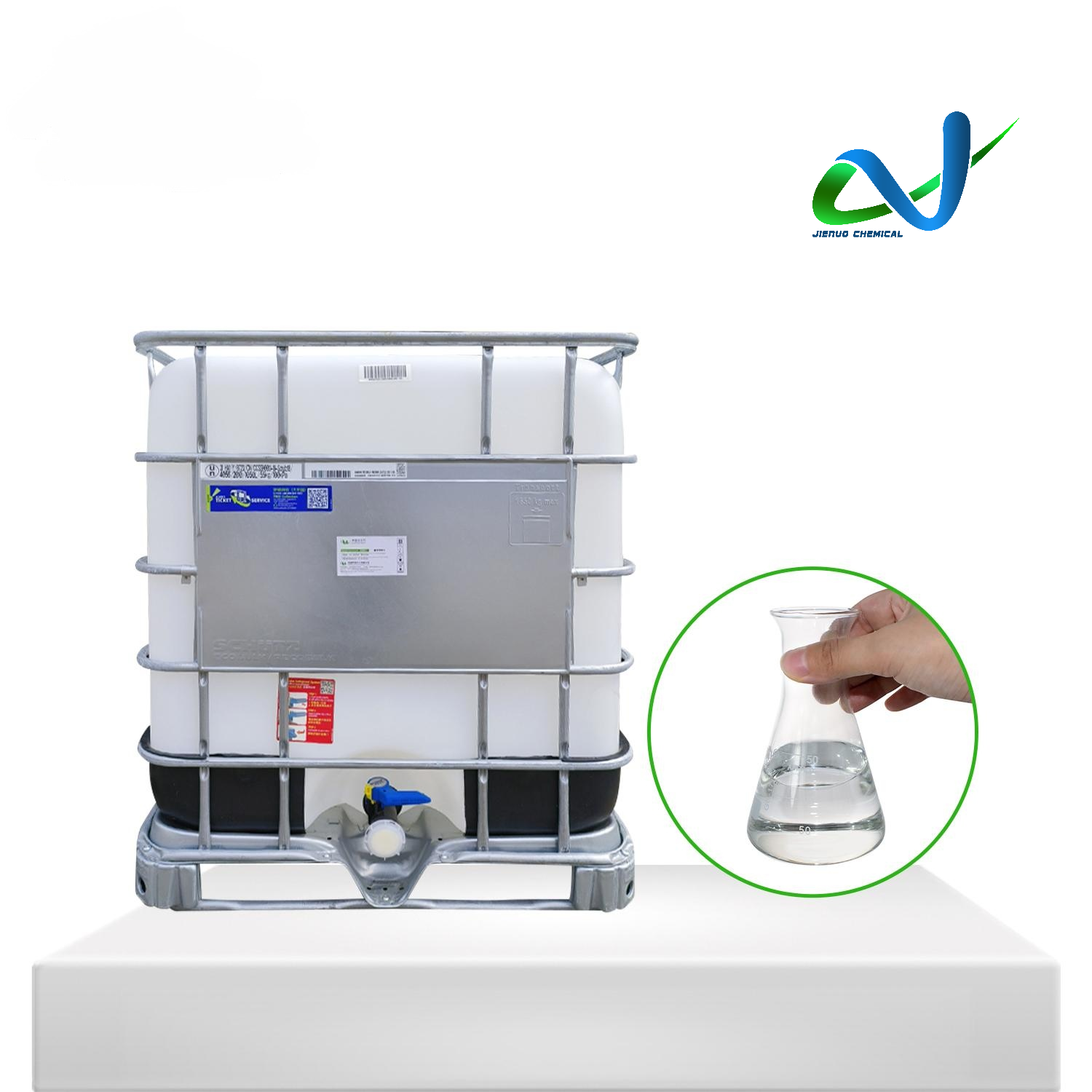
Chemical manufacturers operate at the highest volume tier. They formulate proprietary agricultural adjuvants. They also produce industrial cleaners and textiles. These enterprises purchase materials in massive intermediate bulk containers (IBCs) or bulk tankers.
Success criteria shift toward strict chemical purity. Global supply chain reliability becomes paramount. Manufacturers also require stringent sustainability and environmental compliance. When sourcing a foundational Nonionic Surfactant, industrial buyers audit supplier manufacturing facilities. They test raw material batches rigorously before formulation.
| User Tier | Typical Volume | Primary Use Case | Key Success Criteria |
|---|---|---|---|
| Residential | 1 Quart - 1 Gallon | Driveways, small lawns | Fast shipping, easy instructions |
| Commercial Ag | 2.5 Gal - 55 Gal | Farms, right-of-ways | SDS access, 80%+ active ingredients |
| Industrial | Totes - Tankers | Chemical formulation | Purity, global supply reliability |
Best Practice: Always calculate your total seasonal usage before ordering. Overestimating leads to expired chemicals. Underestimating forces emergency orders carrying expedited shipping fees.
Online marketplaces dominate the consumer sector. They offer unmatched convenience. They aggregate numerous brands into one searchable platform. However, buyers must navigate these ecosystems carefully. Not all listed products deliver professional-grade results.
General retail aggregators excel at logistics. You can secure products quickly. They provide high availability year-round. Consumers easily access user reviews for common household brands.
However, general marketplaces present distinct disadvantages. You often encounter significant per-ounce markups. Sellers exploit the convenience factor. Buyers face risks concerning third-party counterfeits. Unregulated sellers sometimes dilute products. Technical support remains virtually nonexistent. If you have a specific tank-mix question, general customer service cannot help.
Specialty online retailers cater specifically to turf and garden enthusiasts. They bridge the gap between consumer ease and professional knowledge. These platforms vet their product selections rigorously. They filter out substandard formulations.
These sites provide highly accurate buyer guides. They publish detailed mixing charts. Customers access verified Q&A sections. Staff agronomists answer specific herbicide pairing questions. The main drawback involves shipping fees. Freight costs for single-item purchases can sometimes exceed massive e-commerce aggregators.
Common Mistakes:
Professional applicators bypass consumer marketplaces entirely. They rely on specialized agricultural networks. These distributors understand complex chemical interactions. They navigate local environmental regulations efficiently. They provide the documentation required for compliance audits.
Direct agricultural distributors focus on professional applicators. They stock highly engineered activator adjuvants. They provide immediate access to digital SDS files. They ensure all EPA labeling remains current and accessible.
The implementation reality favors bulk buyers. You secure optimal pricing when buying cases of 2.5-gallon jugs. These distributors tailor inventories to specific regional industries. They stock drift-control variants for forestry. They carry specialized aquatic formulations for wetland management. Their sales representatives help troubleshoot complex tank-mixing issues.
Enterprise manufacturers formulate the chemicals directly. They research proprietary blend technologies. They engineer specialized modes of action. Choosing them grants access to cutting-edge application technology. You obtain products designed for extreme weather conditions.
Buying from this tier requires commitment. You generally must establish a commercial enterprise account. Alternatively, you purchase through their authorized regional dealer networks. They rarely sell single gallons to end-users. They focus on servicing large-scale commercial contracts.
Global chemical manufacturers sit at the top of the supply chain. They synthesize the raw molecules. They provide enterprise-level sourcing for foundational ingredients.
This tier operates strictly for commercial formulators. Purchasing requires extensive contract negotiations. Buyers undergo compliance auditing. Manufacturers enforce massive minimum order quantities (MOQs). When securing an industrial Nonionic Surfactant, you deal directly with chemical engineers. You receive comprehensive certificates of analysis for every shipment.
| Supplier Type | Target Audience | Product Focus | Order Minimums |
|---|---|---|---|
| Ag-Chemical Distributors | Commercial Applicators | Finished Tank-Mix Adjuvants | Case or Pallet |
| Enterprise Manufacturers | Large Ag Operations | Proprietary Blends | Commercial Account Needed |
| Global Chemical Makers | Industrial Formulators | Raw Base Chemicals | Bulk Tanker / Totes |
Finding a supplier solves only half the equation. You must evaluate the product itself. The market offers hundreds of variations. Assessing chemicals requires looking past marketing labels. You must analyze the foundational chemical properties. Strict evaluation ensures application success.
The active ingredient percentage dictates product value. The rule remains simple. Look for products advertising 80 to 100 percent active ingredients. High concentrations deliver optimal leaf-wetting capabilities. They reduce surface tension effectively.
The risk lies in cheap alternatives. Bargain products often contain 50 percent or more water. Some use inactive fillers. These diluted formulas require double the application rate. You empty the jug twice as fast. This reality completely negates any upfront cost savings. Always verify the AI percentage on the back label.
Chemicals interact unpredictably in a spray tank. You must ensure explicit label compatibility. Confirm the surfactant works with your specific active chemical. Check compatibility with herbicides, insecticides, and fungicides.
The herbicide label serves as a legal document. It legally dictates the type of adjuvant required. It specifies the exact mixing rate. Applying an incompatible additive violates federal regulations. It can also cause chemicals to separate. They might form an un-sprayable sludge. Always cross-reference both labels before purchasing.
Pump agitation creates severe foaming issues. Agitation helps keep chemicals suspended. However, standard surfactants whip into a thick foam. This foam overflows out of the tank hatch. It causes environmental contamination.
For commercial applicators, defoaming properties are non-negotiable. Select products featuring integrated defoamers. These formulations prevent tank overflow. They stop pump cavitation. Cavitation damages expensive application equipment. If your chosen product lacks a defoamer, you must purchase a separate anti-foam agent.
Procuring agricultural chemicals involves complex logistics. The base cost rarely reflects the final landed cost. Environmental factors influence shipping methods. Regulatory enforcement adds another layer of complexity. Buyers must navigate these hidden risks carefully.
Liquid surfactants possess substantial physical weight. A standard gallon weighs heavily during transit. Commercial shipping carriers charge accordingly. Excessively cheap base prices often hide inflated shipping fees.
Conversely, beware of heavily marketed free shipping offers. Retailers sometimes dilute the product with water. They reduce the active chemical weight to lower freight costs. You end up paying for shipped water. Calculate the true cost per active ounce. Factor the freight charges into your final evaluation.
Chemical integrity depends on proper storage. Nonionic surfactants can separate if frozen. Extreme cold degrades the active compounds. Winter purchasing requires careful planning.
Confirm the supplier utilizes climate-controlled logistics during winter months. A frozen shipment arrives useless. Furthermore, ensure you possess appropriate on-site storage. Bulk orders require insulated, heated facilities. Review the temperature limits listed on the product specifications. Never store these liquids in unheated outbuildings during freezing weather.
The secondary market harbors significant risks. Unverified marketplace sellers sometimes offer white-labeled chemicals. They strip the original branding. They alter the listed concentrations.
Purchasing unbranded chemicals carries massive liability. You risk catastrophic crop damage. You invite severe regulatory fines. Investigators demand documentation during compliance checks. Always buy from vendors supplying a valid SDS. Demand legitimate EPA registration numbers. Protect your operation by verifying supplier credentials.
Common Purchasing Pitfalls:
Sourcing the right additive requires matching your operational scale to the appropriate supply channel. Buyers must navigate multiple variables. You must balance active ingredient concentrations against logistical realities. Avoid the temptation of cheap, heavily diluted retail formulations.
Your immediate next step is simple. Review the chemical label of the primary herbicide or pesticide you intend to spray. Confirm the exact surfactant-to-water ratio required by the manufacturer. Use this specific ratio to calculate your total seasonal purchase volume before placing any orders.
A: Yes, but selection is usually limited to heavily diluted, consumer-grade options in small quantities. Professional-grade concentrates are almost exclusively found online or at dedicated agricultural supply stores. Big-box stores rarely stock formulas exceeding 80 percent active ingredients.
A: No. Dish soaps are typically anionic. They can react negatively with certain herbicides. They contain unwanted dyes and fragrances. They lack essential defoamers. Using household soap voids the legal application label of the herbicide and often causes severe tank foaming.
A: Typically 2 to 3 years if stored correctly. You must keep the product above freezing temperatures. Store it out of direct sunlight. Keep it inside the original, tightly sealed containers. Always request the manufacturer's specification sheet for exact expiration timelines.


