
English
Views: 0 Author: Site Editor Publish Time: 2026-07-03 Origin: Site


Does baking soda actually clean surfaces the exact same way a commercial detergent does? The short answer is no. Baking soda, formally known as sodium bicarbonate, acts as an inorganic salt and an alkaline builder. It is definitively not a surfactant.
Misunderstanding these specific chemical roles leads directly to ineffective product formulations. You will likely experience poor grease removal and wasted material resources. Relying on the wrong ingredient fundamentally jeopardizes overall cleaning performance.
We will thoroughly explore the distinct, complementary roles of alkaline builders and true surfactants. You will learn how they function independently in complex commercial and industrial cleaning applications. We will also demonstrate exactly how to combine them for maximum cleaning efficacy.
You must understand the fundamental molecular requirements for a chemical to qualify as a surfactant. A true surfactant requires an amphiphilic molecular structure. This means the molecule must contain both water-loving and oil-loving groups. The water-loving component is called the hydrophilic head. The oil-loving component is called the hydrophobic tail. When these molecules encounter a mixture of oil and water, they align themselves at the interface. The tails attach to the grease. The heads remain immersed in the water. This unique structural geometry allows surfactants to trap oils inside tiny spherical structures called micelles. Once trapped, the water easily washes the oils away.
Baking soda entirely lacks this dual-action structural profile. Sodium bicarbonate (NaHCO3) is a simple inorganic compound. When you drop baking soda into water, it does not orient itself at the oil-water interface. Instead, it fully dissolves into distinct sodium and bicarbonate ions. These freely floating ions disperse throughout the liquid. They cannot grab onto oil molecules. They cannot form micelles. Because it lacks a hydrophobic tail, baking soda is chemically incapable of emulsifying heavy oils or synthetic greases.
However, sodium bicarbonate plays a highly valuable role as an alkaline builder. It optimizes the cleaning environment rather than acting as the primary degreaser. When mixed into a solution, it acts as a robust pH buffer. It holds the solution at a mildly alkaline pH around 8.1. This alkalinity helps neutralize acidic soils. These soils include food stains, organic waste, and mild protein deposits. Furthermore, when used in an undissolved paste form, baking soda provides mild, non-scratch abrasion. This physical scouring action physically dislodges hardened particulate matter from surfaces. It prepares the area for actual chemical emulsification.
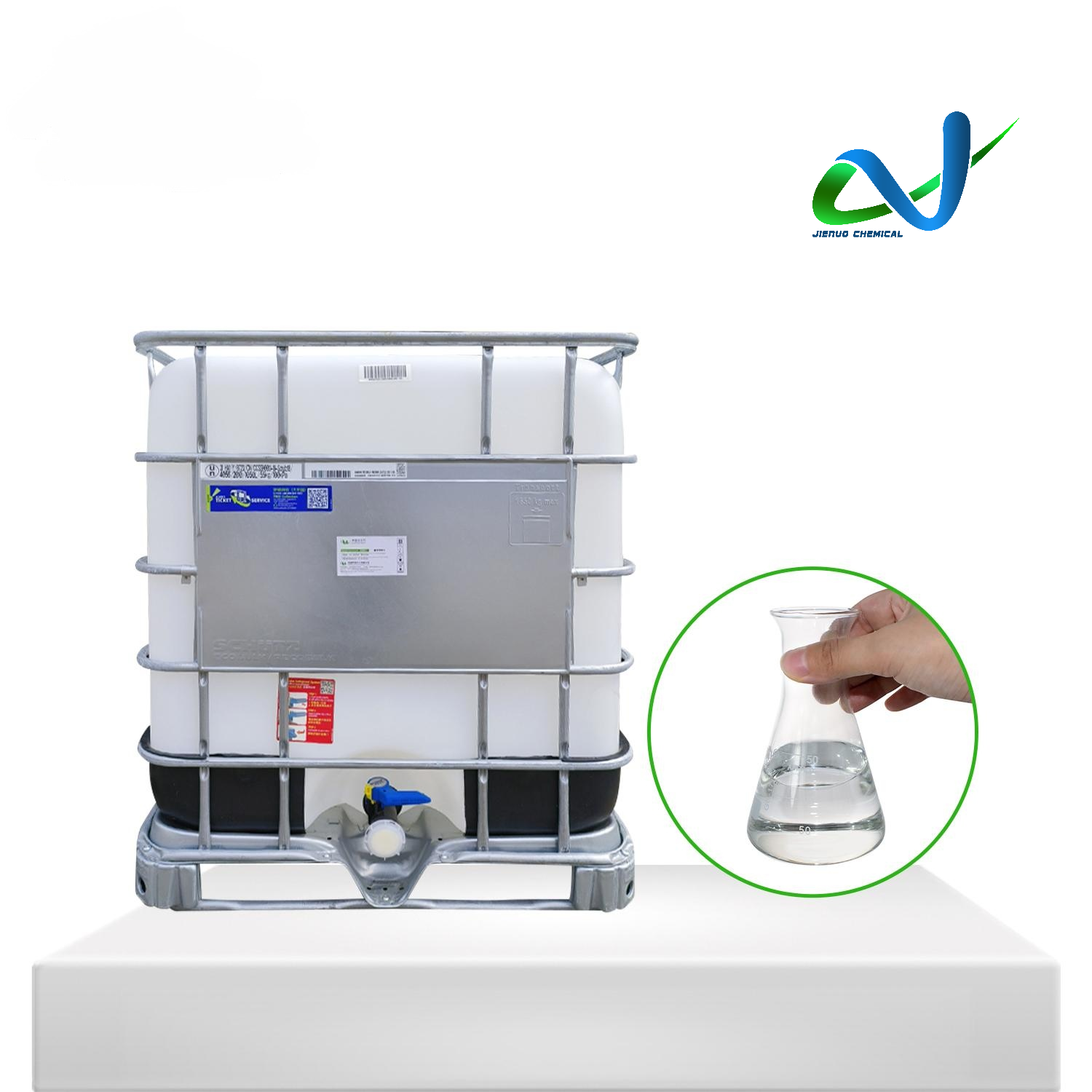
A true Nonionic Surfactant operates through a highly specialized mechanism of action. Unlike other categories of surface-active agents, these molecules carry no electrical charge on their hydrophilic head. This neutral charge makes them exceptionally stable across a wide variety of harsh chemical environments. Because they do not ionize in water, they do not react negatively with other charged particles in the cleaning solution.
This neutral chemical profile provides several core commercial advantages for large-scale formulation:
You will frequently encounter specific chemical variants in modern formulations. Alcohol ethoxylates serve as the backbone for many heavy-duty degreasers. Alkyl polyglucosides (APGs) provide excellent foaming and wetting properties derived from renewable plant sugars. Cocamide DEA acts as a potent viscosity modifier and foam stabilizer in liquid preparations. Each variant offers distinct solubility profiles and cloud points. Formulators choose the exact molecule based on the specific thermal conditions of the intended cleaning application.
To formulate effectively, you must strictly align your ingredients with targeted performance metrics. Baking soda and uncharged surfactants target entirely different categories of soil. You should deploy baking soda primarily for acidic or protein-based soils. It easily neutralizes acidic food spills and breaks down light organic matter. Conversely, you must rely on true surfactants to combat heavy hydrocarbons, synthetic greases, and dense lubricating oils.
Surface tension reduction highlights the starkest contrast between these two components. Water naturally possesses high surface tension. It beads up and resists spreading across surfaces. Baking soda has a negligible impact on this physical property. Water heavily dosed with baking soda still resists penetrating deep into porous fabrics or microscopic surface crevices. A true surfactant drastically reduces water's surface tension. It forces the water to relax, spread out, and penetrate tightly woven fibers to lift embedded dirt.
Residue management and rinsability also demand careful attention. Formulations relying heavily on baking soda often leave behind a powdery, alkaline film. If you do not rinse the surface thoroughly with an acidic neutralizing wash, this white residue remains highly visible. High-quality uncharged surfactants generally rinse completely clean. They leave behind no crystalline deposits, ensuring a streak-free finish on glass, metal, and polished surfaces.
| Performance Metric | Baking Soda (Alkaline Builder) | Nonionic Surfactants |
|---|---|---|
| Primary Soil Target | Acidic soils, light proteins, odors | Heavy oils, greases, synthetic lipids |
| Surface Tension Reduction | Negligible | Extremely High |
| Hard Water Resistance | Sequesters minerals slowly | Inherently immune to deactivation |
| Residue Profile | High (leaves powdery white film) | Low (rinses clean easily) |
| Mechanism | pH buffering and physical abrasion | Micelle formation and emulsification |
Regulatory compliance dictates modern formulation strategies. Baking soda boasts an exceptional environmental profile. Regulatory bodies classify it as Generally Recognized as Safe (GRAS). It exhibits zero aquatic toxicity. It breaks down into naturally occurring elements without harming local ecosystems. Consequently, it enjoys high environmental acceptance across all global regulatory frameworks.
The environmental profile of uncharged surfactants varies heavily by their specific chemical class. Newer generations, such as APGs, offer excellent biodegradability and renewable sourcing. They easily meet stringent eco-label requirements. However, older formulations face tightening regulatory scrutiny. Certain ethoxylates carry risks of trace 1,4-dioxane contamination during the manufacturing process. Regulatory agencies strictly limit 1,4-dioxane levels due to human health concerns. You must carefully verify the manufacturing processes of your chosen ingredients to maintain strict environmental compliance.
Advanced formulations rarely rely on a single ingredient. The true power of modern cleaning chemistry lies in the synergy effect. Alkaline builders like baking soda actively optimize the surrounding chemical environment. By holding the pH steady in an optimal alkaline range, baking soda helps break down the structural integrity of organic soils. This initial breakdown allows the uncharged surfactants to perform their emulsification tasks at significantly lower overall concentrations. You achieve maximum cleaning power while using fewer expensive active ingredients.
Hard water mitigation represents another critical synergy. While uncharged molecules resist hard water deactivation, other components in a mixed detergent might not. Baking soda helps sequester these disruptive calcium and magnesium minerals. It binds them up, preventing them from interfering with the surfactant's oil-lifting capabilities or depositing scaling onto washing equipment. This secondary softening effect keeps the entire chemical matrix functioning efficiently.
Cost efficiency at scale drives this specific pairing strategy. High-grade synthetic emulsifiers command premium prices on the raw materials market. Inorganic salts remain exceptionally cost-effective. By heavily buffering your liquid or powder formulations with baking soda, you reduce your reliance on expensive active agents. You maintain premium grease-cutting performance while significantly lowering the overall production cost per gallon.
| Ratio (Builder : Surfactant) | Cost Impact | Cleaning Outcome | Best Use Case |
|---|---|---|---|
| High Builder (80:20) | Low Cost | Excellent pH buffering, moderate degreasing | General surface cleaning, odor control |
| Balanced (50:50) | Moderate Cost | Strong particulate removal and oil lifting | Multi-purpose facility detergents |
| High Surfactant (20:80) | High Cost | Maximum emulsification, minimal abrasion | Heavy industrial degreasing |
Scaling a formulation from a laboratory setting to massive production volumes introduces distinct risks. You must proactively address formulation scalability risks to avoid catastrophic batch failures. Phase separation stands as the most common issue. If you use improper ratios, the heavy alkaline salts may physically separate from the liquid surfactant matrix. Furthermore, baking soda faces distinct solubility limits in cold liquids. If you attempt to dissolve too much powder into a cold aqueous base, the excess material will crash out of the solution, clogging industrial dispensing equipment. You must determine the absolute optimal builder-to-surfactant ratios for your specific temperature environment.
Selecting the right chemical supplier requires rigorous evaluation. You cannot simply purchase generic bulk liquids without verifying their technical specifications. Use the following supplier evaluation criteria:
Product developers must follow specific next steps to guarantee success. Begin by running pilot testing formulations in small batches. Expose these pilot batches to extreme temperature fluctuations to run thorough stability tests. Finally, consult specialized chemical distributors for exact ingredient matching. A distributor can analyze your targeted soil types and recommend the precise molecular chain length required for optimal grease emulsification.
We established that baking soda and nonionic molecules solve distinctly different functional problems within a cleaning formula. Baking soda successfully manipulates the pH environment and physically scours surfaces. True surfactants do the heavy lifting by reducing surface tension and emulsifying stubborn greases. You cannot substitute one for the other without completely destroying the product's effectiveness.
Your action-oriented next steps must focus on strategic combinations. Analyze the specific soils your product intends to clean. Adjust your builder-to-surfactant ratio accordingly. Always align your ingredient procurement directly with your specific performance outcomes, whether you prioritize heavy degreasing or robust pH buffering. By mastering this chemical synergy, you will ensure long-term product viability and strict regulatory compliance.
A: No. Baking soda primarily acts as an alkaline buffer and a mild abrasive. It dissolves into distinct ions but lacks the structural ability to alter water's physical surface tension.
A: Yes. They remain highly compatible. Formulators frequently combine them in commercial detergents. The baking soda buffers the pH and softens the water, significantly boosting the overall cleaning efficiency of the emulsifiers.
A: No. Vinegar consists of acetic acid and water. It acts as a solvent and an excellent descaler for mineral buildup. However, it entirely lacks the amphiphilic molecular structure required to trap and suspend oils.
A: Alkyl polyglucosides (APGs) represent the industry standard for natural formulations. Manufacturers derive them from renewable plant sugars and fatty alcohols. They offer exceptional biodegradability and strong cleaning performance.


