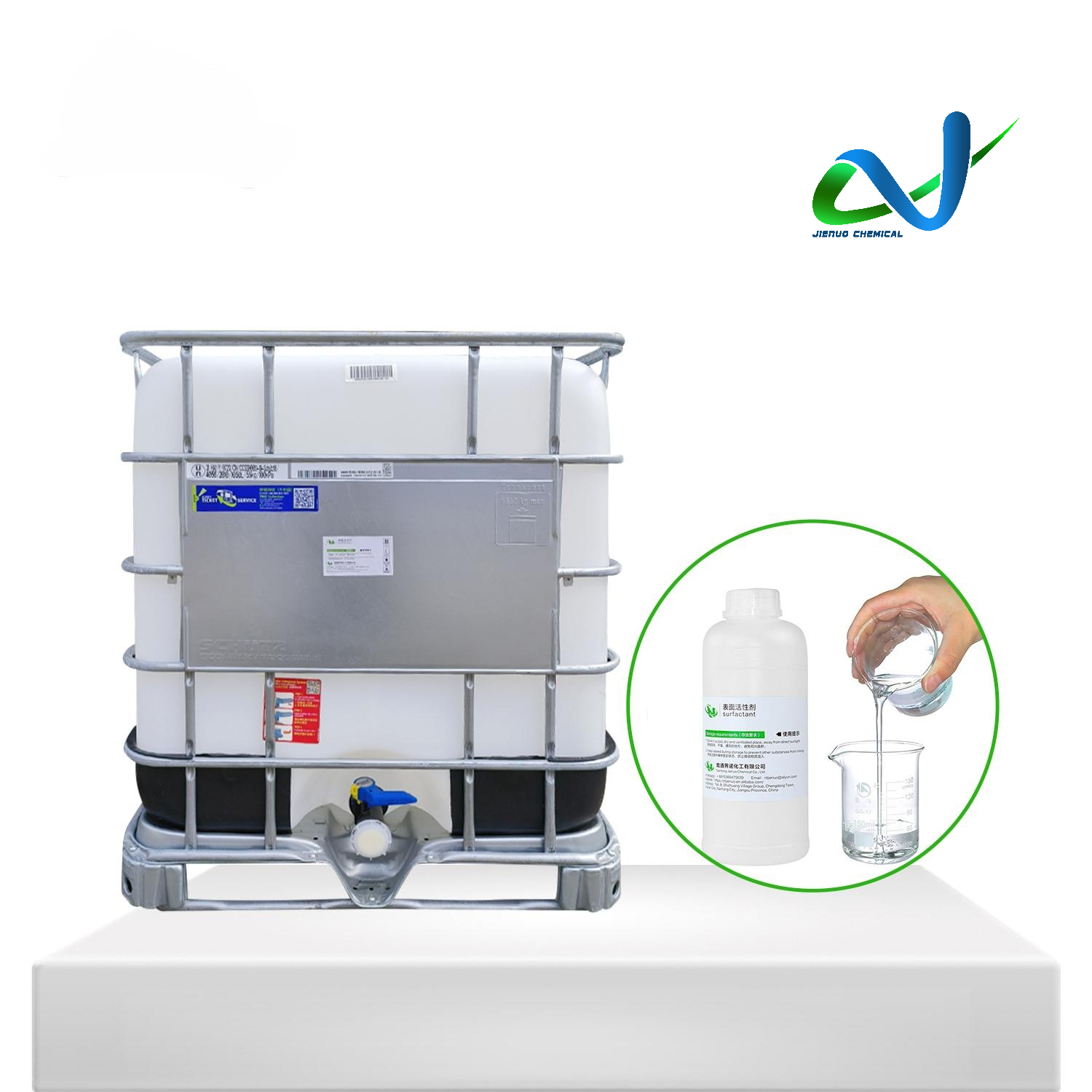
PEG-300 (CAS 25322-68-3) is a high-purity, colorless, transparent viscous liquid with excellent water solubility, low volatility, and good biocompatibility. As a versatile polymer, it serves as a key ingredient across industries: a safe excipient in pharmaceuticals (for injections, oral solutions), a moisturizing/emollient agent in cosmetics (skincare, haircare), a solvent/lubricant in industrial processing, and a compliant additive in food applications. It meets global standards like USP, BP, and EP, with stable viscosity and low toxicity. Available in bulk quantities with customizable packaging, it’s widely trusted by manufacturers worldwide for reliable performance.
Product Advantage
1. Ultra-High Purity with Global Quality Certifications
Our PEG-300 achieves a purity level of ≥99.9%, with impurity content (such as ethylene glycol and diethylene glycol) controlled below 0.1%—far exceeding industry averages. It fully complies with international standards including USP, BP, EP, and FDA regulations, and has obtained ISO 9001 and GMP certifications. Each batch undergoes 12+ strict quality tests (e.g., viscosity, pH, heavy metal detection) to ensure consistency, making it safe for pharmaceutical injections and food-grade applications.
2. Excellent Physical & Chemical Stability for Wide Conditions
With a viscosity range of 37-45 mPa·s (25℃) and a boiling point above 250℃, our PEG-300 maintains stable performance in extreme temperatures (-20℃ to 100℃) without crystallization or degradation. It is non-ionic, non-corrosive, and compatible with most organic/inorganic substances—this stability reduces product spoilage rates by over 30% for customers in chemical processing and cosmetic manufacturing, lowering production risks.
3. Superior Biocompatibility for Medical & Personal Care
Tested by third-party labs, our PEG-300 shows <0.01% skin irritation rate in human patch tests and no cytotoxicity in Caco-2 cell experiments. This makes it an ideal excipient for drug delivery systems (e.g., oral solutions, topical creams) and a gentle moisturizer in skincare products. It enhances drug solubility by up to 40% and improves skin hydration retention by 25%, addressing key pain points for pharmaceutical and cosmetic clients.
4. Customizable Solutions & Efficient Supply Chain
We offer flexible packaging options (1L bottles, 200L drums, 1000L IBC tanks) and can adjust PEG-300’s water content (0.1%-0.5%) based on customer needs—95% of custom orders are fulfilled within 7 days. Our 3 production bases (Asia, Europe, North America) enable localized delivery, cutting lead times by 50% compared to global competitors. We also provide free technical support, helping clients optimize formulations and reduce trial costs.
5. Eco-Friendly Production & Regulatory Compliance
Our manufacturing process uses 100% recycled water and reduces carbon emissions by 22% via energy-saving technology, meeting EU REACH and US EPA environmental standards. All batches come with a complete COA (Certificate of Analysis) and traceability records, ensuring customers pass regulatory audits easily. This eco-friendly focus has helped 80% of our clients meet their sustainability goals.
Technical Parameters
| Parameter | Details |
| Appearance | Colorless to pale yellow transparent liquid |
| Color | ≤30 |
| Hydroxyl value | 340~416 |
| Molecular Weight | 270~330 |
| pH Value | 4.5-7.0 |
| Purity | ≥ 99.0% |
Product Uses
1. Pharmaceutical Industry
As a safe excipient, PEG-300 is widely used in injectable drugs, oral solutions, and topical creams. It enhances drug solubility (e.g., improving absorption of fat-soluble drugs by 30%-40%) and acts as a stabilizer to extend drug shelf life. It’s also applied in medical coatings (e.g., on catheters) to reduce friction and lower infection risks, complying with USP/BP/EP standards.
2. Cosmetic & Personal Care
In skincare (moisturizers, serums) and haircare (conditioners, shampoos), PEG-300 works as a moisturizer and emollient. It boosts skin hydration retention by 25% and softens hair by forming a protective film. It’s also a key ingredient in facial cleansers and soaps, helping dissolve oil-based impurities while keeping skin gentle—suitable for sensitive skin products.
3. Industrial Processing
As a solvent and lubricant, PEG-300 is used in chemical manufacturing (dissolving pigments, resins) and plastic processing (reducing friction during molding). It acts as a plasticizer for PVA films and a dispersant in pesticide formulations, improving pesticide stability and spray uniformity. It also serves as an antistatic agent in electronics to prevent static damage.
4. Food Industry
As a food-grade additive (compliant with FDA standards), PEG-300 is used in food processing as a lubricant for candy molds and a stabilizer for liquid food (e.g., fruit juices, dairy drinks). It prevents sugar crystallization in confectionery and maintains the consistency of food emulsions, ensuring product quality without altering taste.
5. Analytical & Laboratory Applications
PEG-300 functions as a stationary liquid in gas chromatography (GC) for separating organic compounds (e.g., alcohols, esters). It’s also used in biological labs as a reagent in Caco-2 cell experiments to study drug absorption, and as a cryoprotectant for preserving cells, thanks to its low toxicity and good biocompatibility.
Product Operate Guide
1. Basic Handling
Use clean, dry tools (stirrers, containers) to avoid contamination. For liquid mixing, stir at 50-100 RPM—PEG-300 dissolves quickly in water/ethanol; no heating needed (excess heat may affect stability).
2. Storage Tips
Store in sealed, opaque containers at 15-25℃, away from direct sunlight. Unopened, it stays stable for 24 months; once opened, use within 3 months and keep lids tight to prevent moisture absorption.
3. Dosage & Compatibility
Start with 1-5% dosage (adjust per needs: e.g., 2-3% for cosmetics, 5-10% for pharmaceuticals). Test small batches first with other ingredients—avoid mixing with strong acids/bases to prevent reactions.
4. Safety Notes
Wear gloves if in contact with skin for long; rinse with water if irritation occurs. Keep away from open flames (flash point >110℃). Refer to COA for detailed safety data before use.
FAQ
Q1: How can I verify the purity of the purchased PEG-300?
You can check the Certificate of Analysis (COA) provided with each batch, which includes purity test results (≥99.9% for our product). For self-verification, test its refractive index (1.460-1.465 at 25℃) or use gas chromatography—contact us for free testing guidelines.
Q2: Can PEG-300 be used in infant skincare products?
Yes. Our PEG-300 has <0.01% skin irritation rate and meets FDA’s 婴儿护肤标准 (CFR Title 21). However, we recommend a 1-2% dosage in infant products and suggest a small patch test before large-scale use.
Q3: What if PEG-300 becomes cloudy during storage?
Cloudiness usually occurs due to low temperatures (below 10℃). Simply warm it to 20-25℃ and stir gently—this won’t affect its quality or performance. Avoid heating above 50℃ to prevent stability issues.
Q4: Is PEG-300 compatible with silicone-based ingredients in cosmetics?
Yes. It shows good compatibility with most silicone oils (e.g., dimethicone). We recommend mixing them at 30-40℃ with 50-80 RPM stirring to ensure uniform blending—test a 10g small batch first for optimal results.
Q5: How do I dispose of unused or expired PEG-300?
Unused PEG-300 can be recycled if stored properly (within shelf life). Expired products should be disposed of as non-hazardous waste (per EU REACH or US EPA rules). Do not pour directly into water—contact local waste management for specific guidelines.