Oleic Acid Diethanolamide (ODEA): Basic Introduction
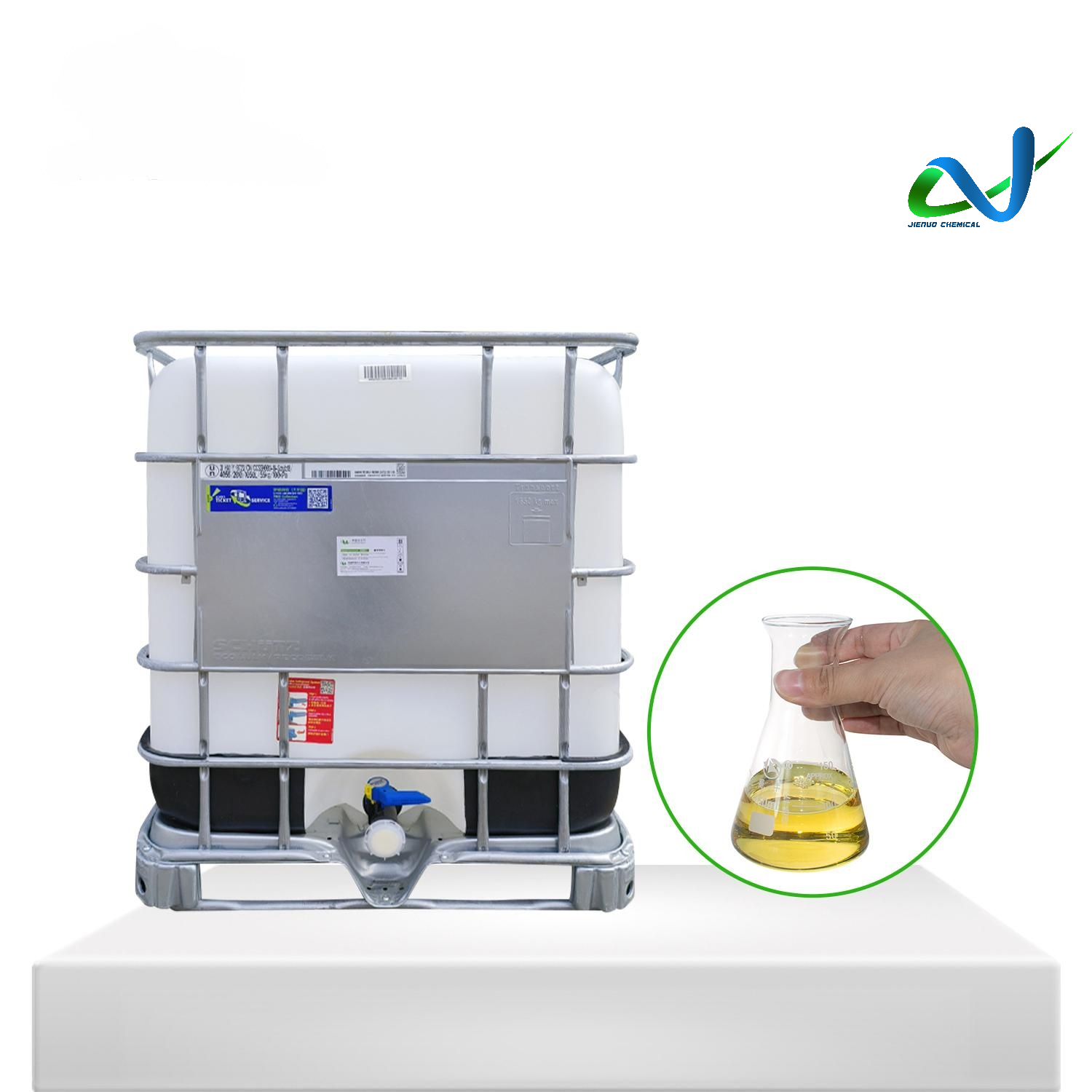
Oleic Acid Diethanolamide (ODEA), with CAS No. 93-83-4 and molecular formula C₂₂H₄₃NO₃, is a non-ionic compound formed by condensing oleic acid and diethanolamine. It typically appears as a yellow viscous or transparent liquid with a special oily fragrance, boasting ≥99% solid content, amine value ≤50 mgKOH/g, and acid value ≤4.5 mgKOH/g.
Soluble in organic solvents and dispersible in water, ODEA offers excellent emulsification, antistatic, anti-friction, and anti-rust properties. It is widely used as an emulsifier, antistatic agent, lubricant, and rust inhibitor in industries like cosmetics, metal processing, textiles, rubber, and coatings. Packaged in 200kg drums, it has a 1-year shelf life when stored in cool, dry, and well-ventilated areas.
Product Advantage
Excellent Surface Activity with Stable Technical Indicators
ODEA exhibits outstanding decontamination, emulsification, foaming, and solubilization properties, effectively reducing liquid surface tension for better wetting. Its strict technical parameters—amine value ≤50 mgKOH/g and acid value ≤4.5 mgKOH/g—ensure consistent performance, avoiding quality fluctuations and meeting high-standard industrial demands.
Dual Anti-static and Lubrication Performance
It forms a conductive film on material surfaces to eliminate static buildup, critical for rubber/plastic products to prevent dust adsorption. Meanwhile, its long-chain fatty acid structure delivers excellent lubrication, lowering friction coefficients and reducing wear, which is verified in practical applications like textile fiber processing and metal cutting.
Strong Compatibility and Wide Solubility
ODEA disperses well in water and dissolves in common organic solvents (e.g., ethanol), enabling seamless blending with various formulations. This compatibility eliminates issues of phase separation or sedimentation in mixed systems, making it adaptable to diverse product formulas without additional compatibility modifiers.
Effective Rust Inhibition and Long-lasting Protection
In metal-related applications, ODEA forms a protective film on metal surfaces, isolating air and moisture to slow corrosion. When used in metal processing fluids or boiler cleaning agents, it maintains rust inhibition efficiency for extended periods, reducing maintenance costs and extending the service life of metal components.
Significant Thickening Effect for Formulation Optimization
It shows remarkable thickening performance, especially for cationic surfactant solutions. This allows precise adjustment of product viscosity, improving the rheology and stability of formulations (e.g., cosmetics, detergents). It eliminates the need for extra thickeners, simplifying production processes and cutting raw material costs.
Technical Specifications
Parameter Category | Specific Index | Unit | Description |
Basic Chemical Info | CAS Number | - | 93-83-4 |
| Molecular Formula | - | C₂₂H₄₃NO₃ |
| Molecular Weight | g/mol | 369.58 |
| EINECS Number | - | 202-281-7 |
Physical Appearance | Color & State | - | Colorless to pale yellow liquid; Yellow transparent liquid |
| Odor | - | Special oily fragrance |
Chemical Properties | Amine Value | mgKOH/g | ≤ 50 (Lower = better reaction completeness) |
| Acid Value | mgKOH/g | ≤ 4.5 (Lower = higher purity & stability) |
Solubility | In Water | - | Dispersible (Stable system, no stratification) |
| In Organic Solvents | - | Soluble in ethanol (Easy blending with organic formulations) |
Stability & Biodegradability | Stability | - | Stable under normal storage/usage (No decomposition) |
| Biodegradability | - | Biodegradable (Meets environmental standards) |
Safety Index | Skin/Eye Hazard | - | Irritating (Requires protective measures) |
Product Uses
Industrial Cleaning
As an emulsifier, dispersant, and detergent, ODEA effectively removes oil, grease, and dirt from metal parts and mechanical equipment. It ensures thorough cleaning without damaging surfaces, widely used in cleaning processes for industrial machinery and metal components.
Cosmetics & Personal Care
It acts as an emulsifier, antistatic agent, and thickener in products like lotions, creams, shampoos, and body washes. It enhances product stability, improves texture, and prevents static-related discomfort, boosting the overall user experience.
Textile Industry
Added to textile oils, ODEA serves as a lubricant and antistatic agent. It reduces friction between fibers, prevents static during weaving, and improves fabric softness and handfeel in post-finishing, enhancing processing efficiency and product quality.
Metal Processing
In metal cutting fluids, grinding fluids, and stamping oils, it provides lubrication, rust prevention, cooling, and cleaning. It improves machining precision, extends tool life, and protects metal workpieces from corrosion during processing.
Rubber & Plastic Industry
As an antistatic agent, lubricant, and release agent, it enhances the processability of rubber and plastic products. It prevents static adsorption on product surfaces, improves surface smoothness, and facilitates demolding, ensuring consistent product appearance.
Coatings & Paints
ODEA functions as a dispersant and emulsifier, promoting uniform dispersion of pigments and fillers in coating systems. It enhances coating stability and gloss, improves application smoothness, and ensures better adhesion and durability of the film.
Product Operate Guide
Before use, wear gloves and goggles to avoid skin/eye contact. Stir ODEA gently before blending with other ingredients—mix at 30-50℃ for 10-15 mins to ensure uniformity. Store unused ODEA in sealed 200kg drums, in cool (15-30℃), dry, well-ventilated areas away from direct sunlight. If contact occurs, rinse skin with water or eyes with saline immediately; seek medical help if irritation persists.
FAQ
1、Q: What if ODEA exceeds the recommended storage temperature (15-30℃)?
A: High temperatures may make ODEA more viscous or cause slight color darkening, but it won't affect core properties. Cool it to room temp and stir gently before use; avoid long-term exposure to over 40℃.
2、Q: How does amine value (>50 mgKOH/g) impact product performance?
A: Higher amine values mean more free amines, which may reduce emulsification stability and increase skin irritation risks. It's best to use ODEA with amine value ≤50 mgKOH/g for consistent results.
3、Q: Can ODEA be replaced with other emulsifiers in cosmetic formulations?
A: It depends—ODEA combines emulsification, thickening, and antistatic effects. Replacing it may require mixing multiple additives; test compatibility first to avoid formulation instability.
4、Q: Is ODEA safe for eco-friendly industrial applications?
A: Yes, it's biodegradable (meets environmental standards) and doesn't persist in ecosystems. But avoid direct discharge; follow local waste disposal regulations for chemical products.
5、Q: Why does ODEA sometimes form small clumps in water?
A: Clumping may occur if added too quickly. To fix, stir water first, then add ODEA gradually at 30-50℃—this ensures uniform dispersion without clumps.